
Starting yoga does not require you to be flexible right away. However, when beginners first explore stretching and holding poses, the body often feels tight in areas like the hips, hamstrings, shoulders, and back. This is especially common for people who spend long hours sitting at a desk or have not moved consistently for a long time.
That is why yoga blocks have become one of the most essential yoga props for beginners. A simple block can provide extra support, improve alignment, and help the body feel more stable and relaxed during practice.
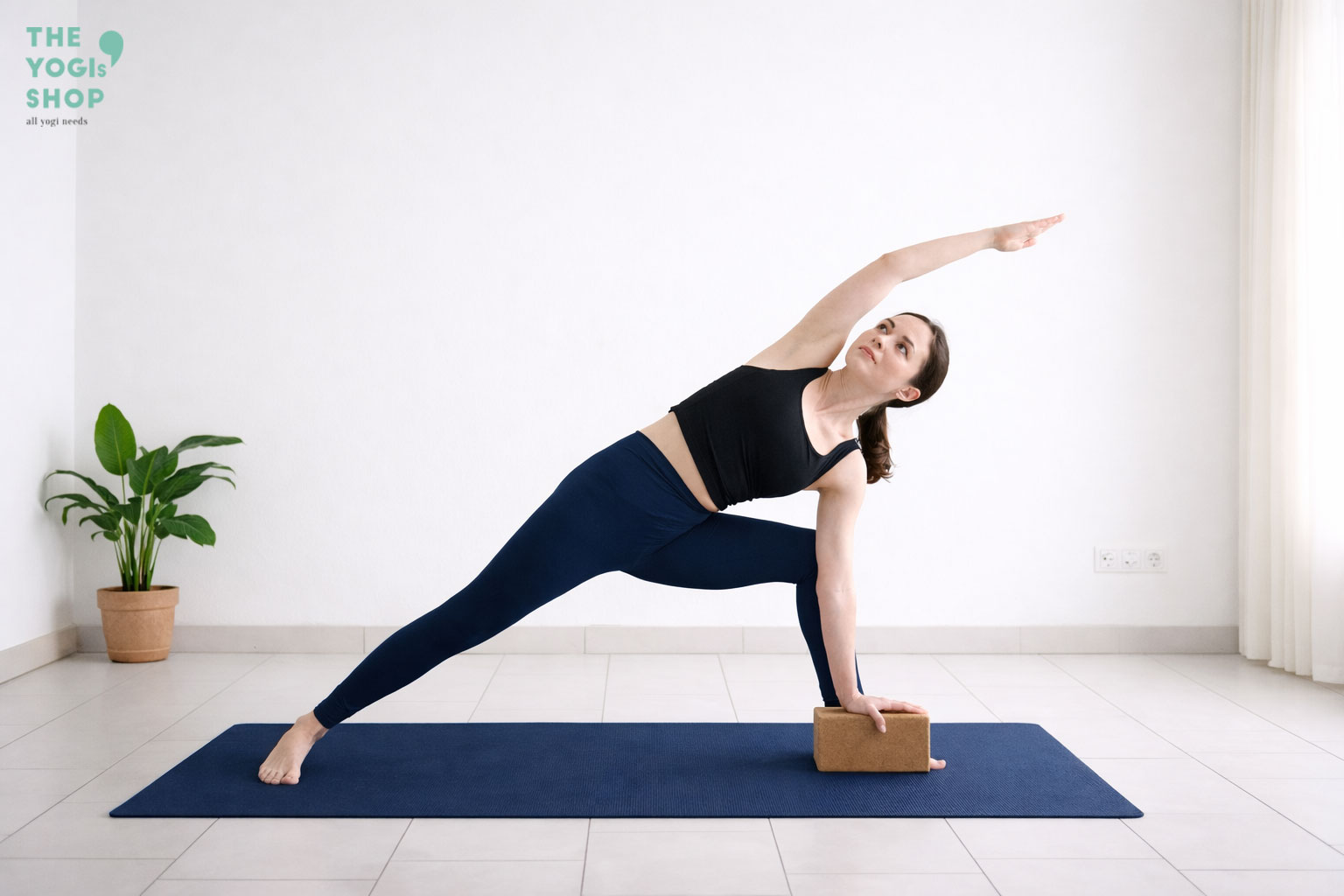
Many beginners try to force themselves deeper into poses because they want to touch the floor, straighten the legs completely, or look like the poses they see online. In reality, the body needs time to gradually open and adapt.
Without enough flexibility or mobility, beginners often:
Instead of creating ease, practice can quickly become uncomfortable and overly effortful.
Yoga is not about forcing the body into a perfect shape. The goal is to create enough support so the body can breathe steadily and move safely through each posture.
This is exactly where yoga blocks become helpful. By bringing the floor closer to the body, blocks reduce unnecessary strain and allow practitioners to experience poses with more stability and awareness.
A yoga block is a support prop used to reduce the distance between the body and the floor. Rather than overstretching or collapsing into a pose, practitioners can adjust the height they need based on their current level of flexibility and mobility.
When the body feels properly supported:
Today, there are many different yoga block designs available. Some are taller and more compact for foundational support, while others are wider and lower for restorative yoga and chest-opening practices.
Each type serves a slightly different purpose depending on how you practice and what kind of support your body needs.
The classic yoga block size, approximately 25 x 15 x 8.5 cm, is one of the most commonly used yoga props in beginner yoga classes.
Because of its taller height, this type of block significantly shortens the distance between the hands and the floor. This makes poses more accessible without forcing excessive flexibility.
This type of yoga block is especially suitable for:
In poses such as Uttanasana (Standing Forward Fold), Trikonasana (Triangle Pose), or Low Lunge, the added height helps maintain spinal length while reducing unnecessary pressure on the lower back.
When the body has a stable point of support, it also becomes easier to maintain steady breath and proper alignment instead of relying on tension and force.
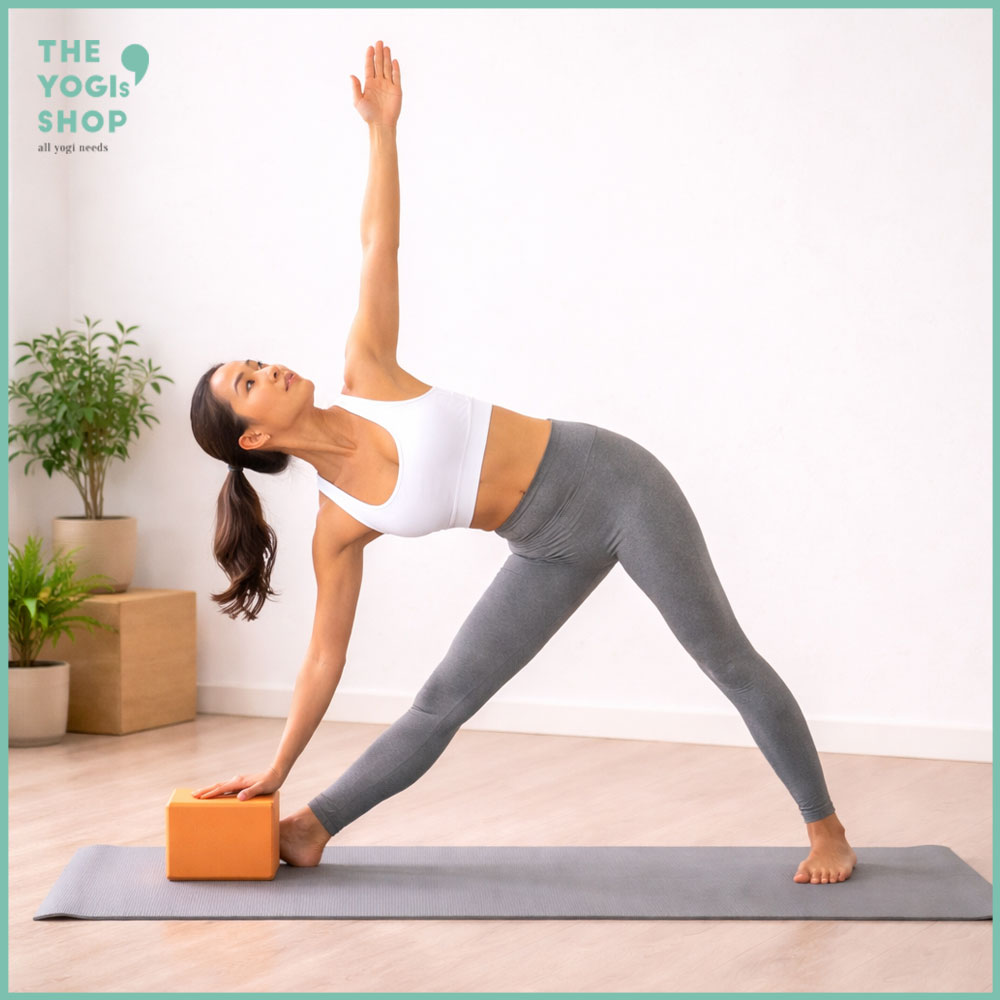
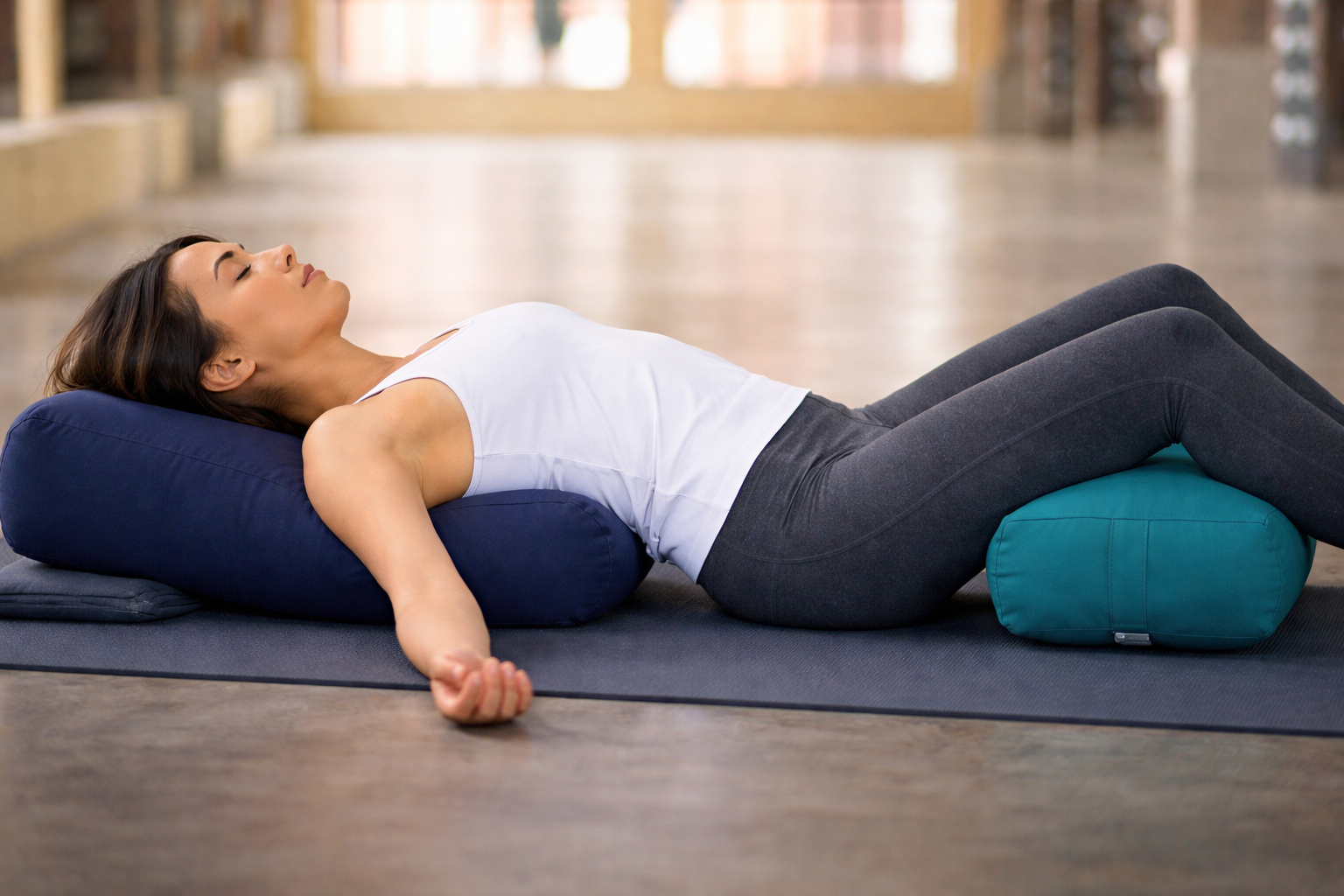
Unlike traditional tall blocks, the wide yoga block in a 30 x 25 x 5 cm size offers a larger surface area with lower height. This creates a more grounded and stable feeling when supporting the back, shoulders, or hips.
This style of block is commonly used for:
For people who spend long hours sitting or experience tightness in the chest and shoulders, a wide yoga block allows the front body to open gradually without creating excessive intensity.
It also provides a softer, more relaxing experience during recovery-focused practices.
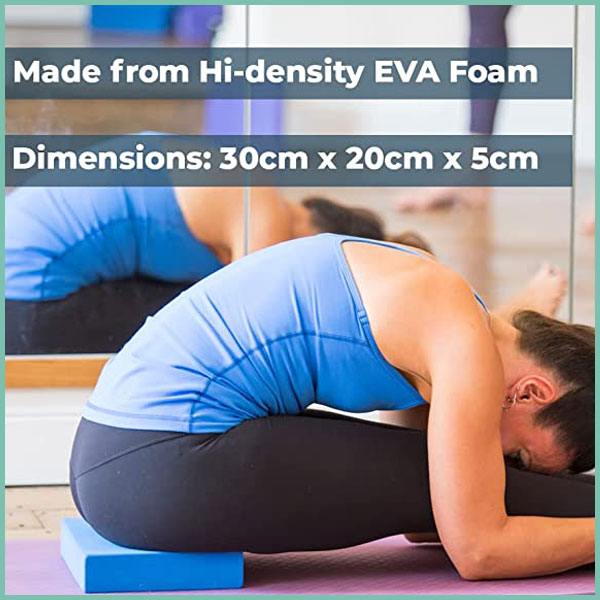
Yoga blocks can be incorporated into many types of poses, from beginner-friendly standing postures to restorative and deep-release practices.
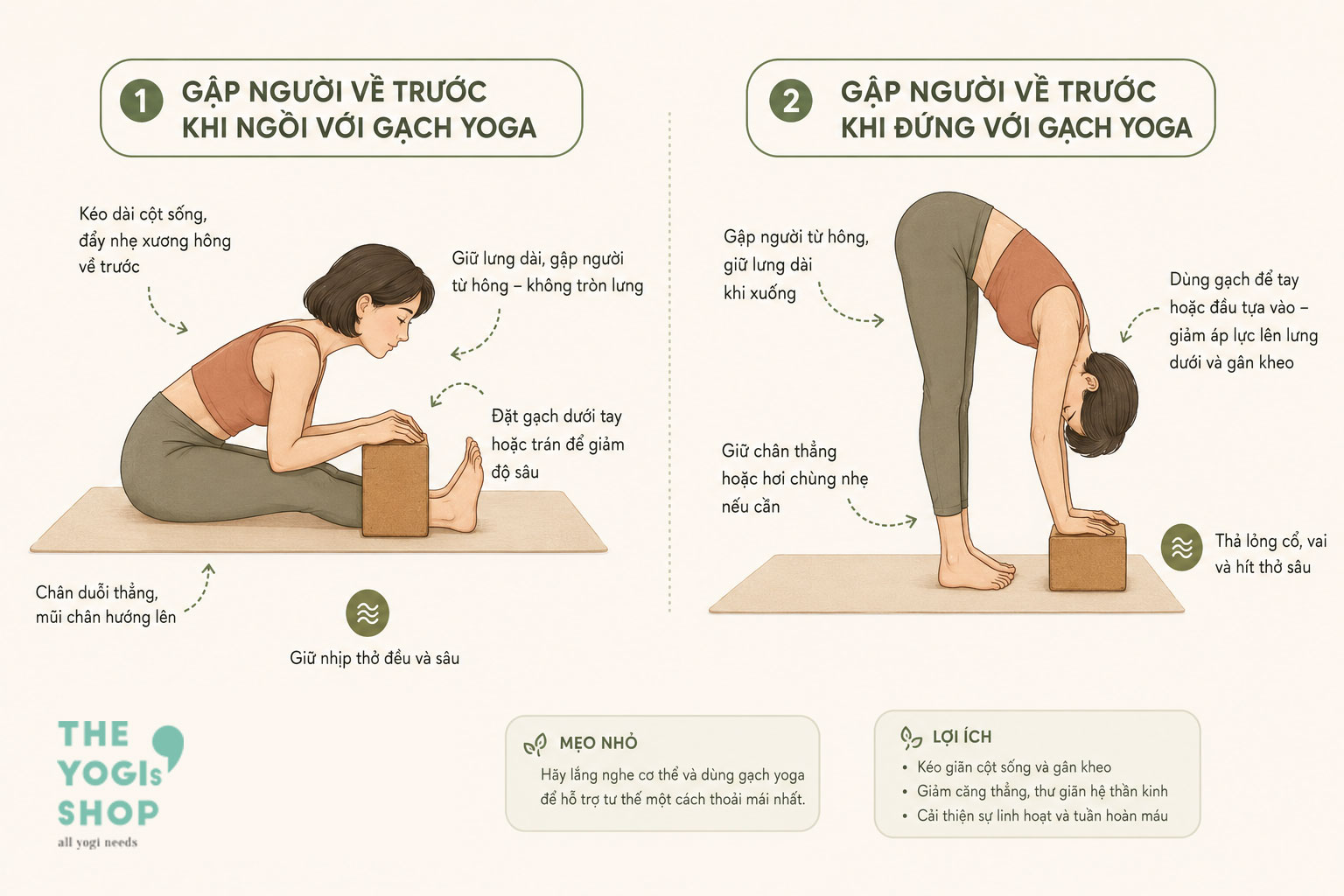
If you are starting yoga at home, a yoga block is one of the most useful props you can have.
Rather than forcing your body into advanced shapes too early, yoga blocks allow you to adapt poses to your current flexibility and mobility. This creates a safer, more comfortable, and more sustainable practice over time.
Yoga blocks are especially helpful for:
Even experienced yoga teachers continue to use blocks regularly. Using props is not a sign of weakness — it is a smart way to practice with better awareness and alignment.
————–
Yoga is not about forcing the deepest stretch or achieving the most advanced pose. It is about creating enough support for the body to breathe, release tension, and move with awareness.
A simple yoga block can completely change how a pose feels by bringing more stability, comfort, and ease into your practice.
For beginners, using yoga blocks is not “cheating.” It is one of the safest and most effective ways to build a strong and sustainable yoga foundation.




COMMENT